DISPATCH SUPPORT BUILT AROUND YOUR EQUIPMENT.
Different equipment means different freight, different operating considerations, and different dispatch decisions. AS Logistics Pro tailors the search and coordination process around how your truck actually operates.
SELECT YOUR EQUIPMENT.
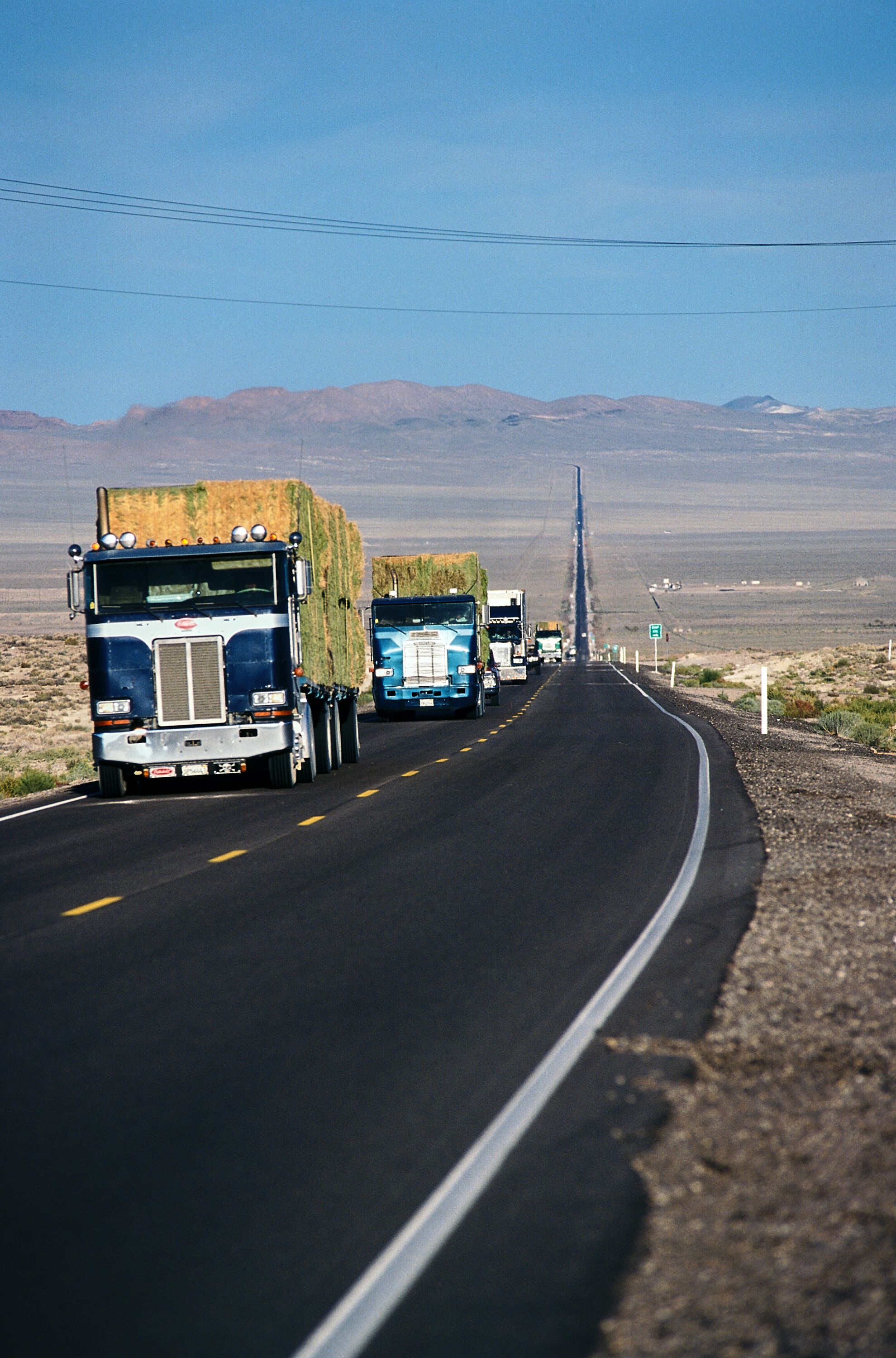
DRY VAN
A dry van is a fully enclosed trailer used for general, non-temperature-controlled freight. It's the most common equipment type on the road, hauling everything from palletized goods to boxed retail freight.
COMMON FREIGHT TYPES
DISPATCH CONSIDERATIONS
- Trailer length and capacity
- Dock requirements at pickup/delivery
- Appointment timing
- Live load/unload vs. drop-and-hook where applicable
- Deadhead to and from the load
- Destination market strength
LOAD EVALUATION
- Loaded miles
- Deadhead
- Rate and effective RPM
- Pickup/delivery timing
- Destination
- Market/reload positioning
- Equipment compatibility
WHAT WE MAY NEED FROM YOU
HOW AS LOGISTICS PRO SUPPORTS IT
We search dry van freight matching your trailer length and lanes, negotiate rates, review broker information, and coordinate pickup and delivery details - the same core dispatch process across load sourcing, negotiation, evaluation, broker communication, and coordination.
IMPORTANT LIMITATIONS
We don't have universal access to all dry van freight - availability depends on the market, lane, and season. Freight availability, rates, and broker performance are not guaranteed.
DRY VAN
A dry van is a fully enclosed trailer used for general, non-temperature-controlled freight. It's the most common equipment type on the road, hauling everything from palletized goods to boxed retail freight.
COMMON FREIGHT TYPES
DISPATCH CONSIDERATIONS
- Trailer length and capacity
- Dock requirements at pickup/delivery
- Appointment timing
- Live load/unload vs. drop-and-hook where applicable
- Deadhead to and from the load
- Destination market strength
LOAD EVALUATION
- Loaded miles
- Deadhead
- Rate and effective RPM
- Pickup/delivery timing
- Destination
- Market/reload positioning
- Equipment compatibility
WHAT WE MAY NEED FROM YOU
HOW AS LOGISTICS PRO SUPPORTS IT
We search dry van freight matching your trailer length and lanes, negotiate rates, review broker information, and coordinate pickup and delivery details - the same core dispatch process across load sourcing, negotiation, evaluation, broker communication, and coordination.
IMPORTANT LIMITATIONS
We don't have universal access to all dry van freight - availability depends on the market, lane, and season. Freight availability, rates, and broker performance are not guaranteed.
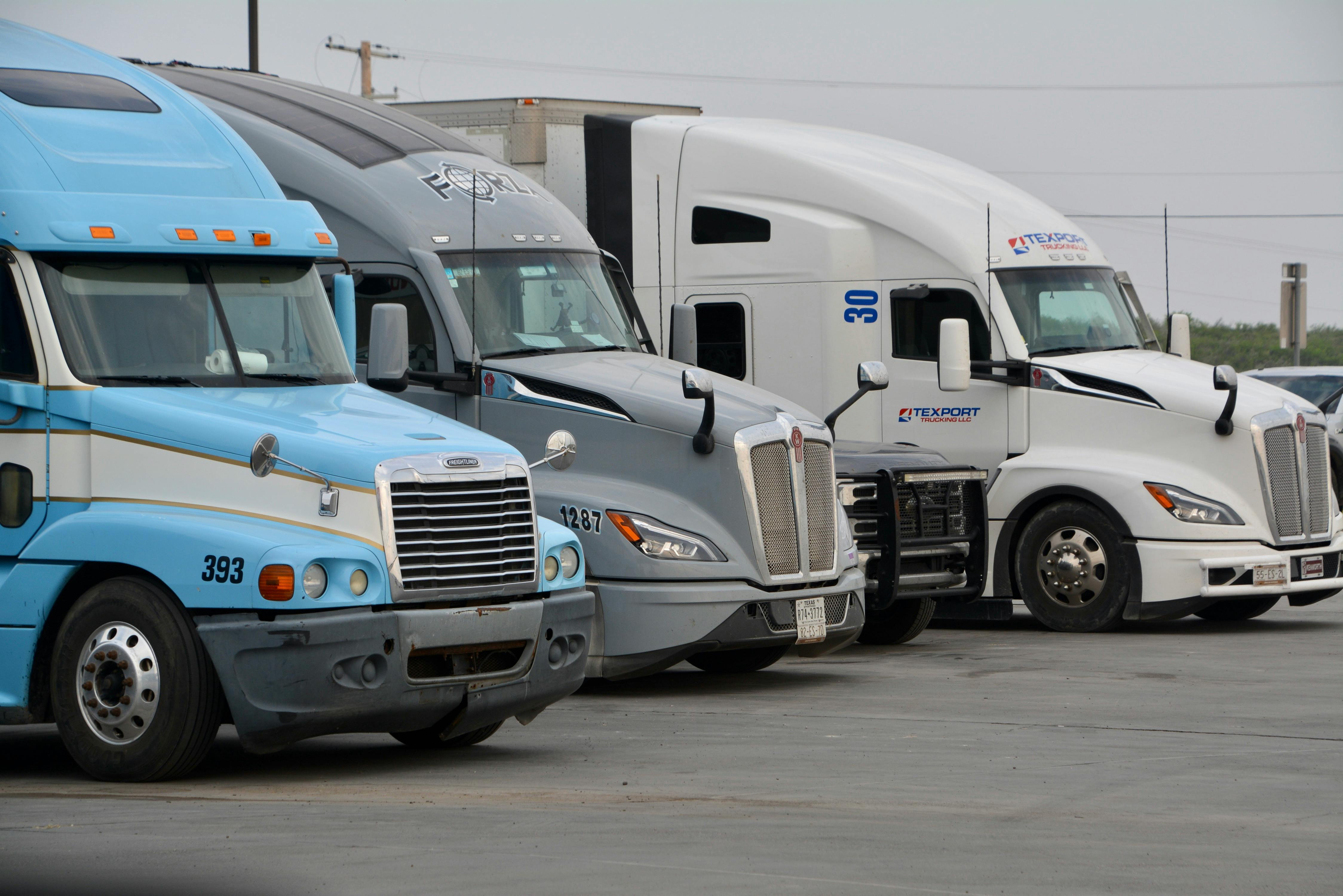
THE SAME LOAD DOESN'T FIT EVERY TRUCK.
Equipment influences far more than what you can physically haul - it shapes lane suitability, timing, rates, operating costs, and where a load leaves your truck. Dispatch strategy should account for more than just the gross rate.
BEFORE A LOAD IS PRESENTED, QUESTIONS MAY INCLUDE:
Representative, not a guarantee that every listed factor can always be verified.

OPERATING COSTS VARY BY EQUIPMENT.
We don't know your true operating costs unless you provide them - run your own numbers with the Load Rate & Profitability Calculator.
Run the NumbersWHAT WE NEED TO KNOW.
Accurate equipment information matters - incorrect details can cause load-fit problems down the line.
LET'S BUILD DISPATCH AROUND HOW YOU RUN.
Tell us what you operate, where you run, and what you're looking for.